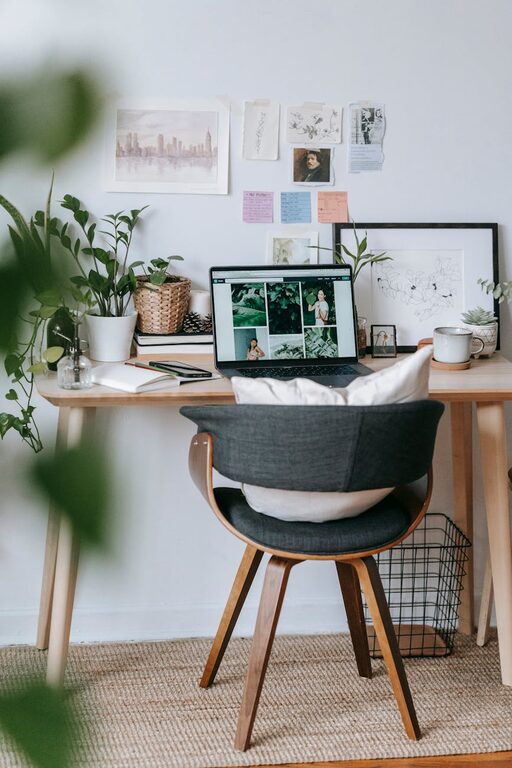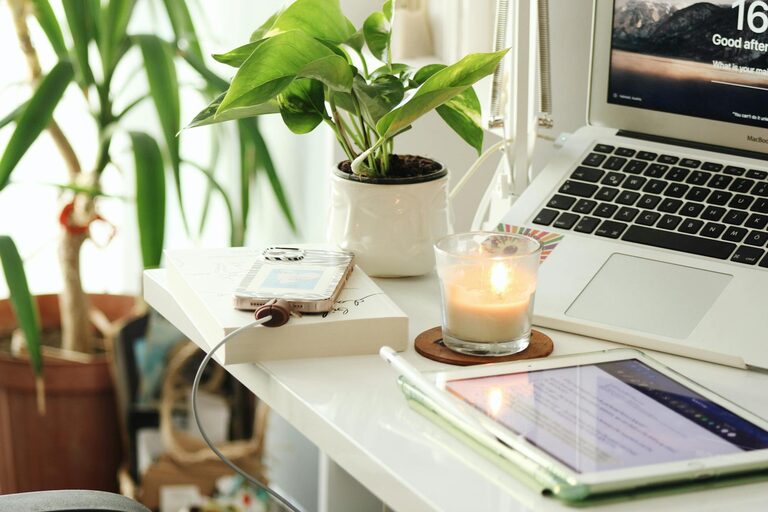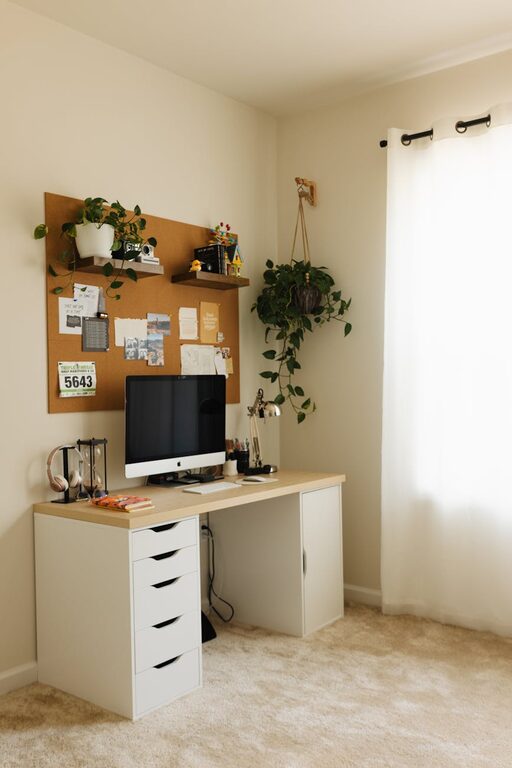
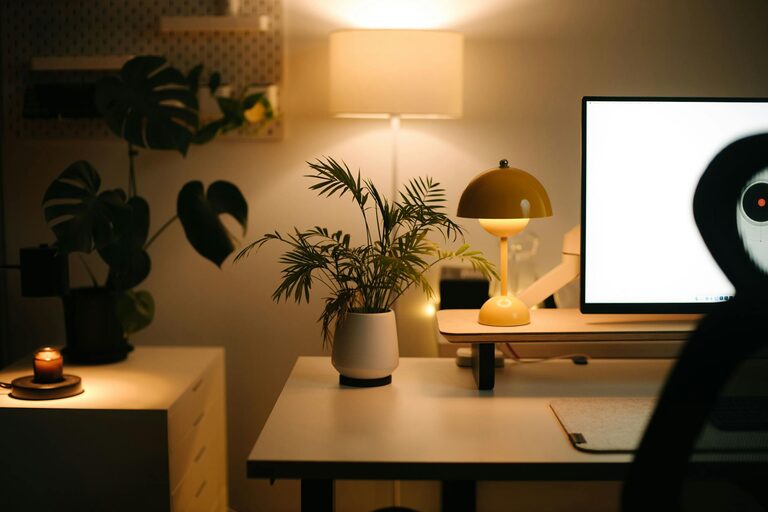
Creating a home office that is both cozy and functional can greatly improve your productivity and overall work experience. Whether you work remotely full-time or just occasionally need a dedicated space, having an inviting and well-organized office helps maintain focus and reduces stress. In this post, we’ll share practical tips and ideas for designing a home office that balances comfort with efficiency.
Choose the Right Location
Selecting the best spot for your home office is an essential first step. Ideally, pick a quiet area with minimal distractions where you can concentrate. Here are some factors to consider:
– Natural Light: Position your desk near a window to take advantage of daylight, which boosts mood and energy. Avoid glare by using curtains or blinds if necessary.
– Privacy: If possible, use a separate room or nook away from busy household areas. This helps you detach from home activities during work time.
– Space: Ensure there’s enough room for your desk, chair, and storage without feeling cramped.
Invest in Comfortable Seating
Since you’ll be sitting for extended periods, investing in a comfortable chair is crucial.
– Look for chairs with adjustable height and good lumbar support.
– Consider ergonomic features to reduce strain on your back and neck.
– If possible, try out chairs in person to find what suits your body best.
– Add a cushion or footrest to increase comfort.
Optimize Your Desk Setup
Your desk is the centerpiece of your workspace, so choose one that fits your needs.
– Select a desk size that accommodates your computer, paperwork, and any accessories.
– Adjustable or standing desks can provide flexibility for posture and health.
– Organize cables with clips or under-desk trays to reduce clutter.
Enhance Lighting
Good lighting reduces eye strain and improves focus.
– Combine natural and artificial light. Use a desk lamp with adjustable brightness and color temperature.
– Avoid harsh overhead lighting; soft, warm lights create a cozier atmosphere.
– Position lights so they illuminate your work without causing screen glare.
Personalize Your Space
Adding personal touches can make your office feel warm and inviting.
– Incorporate plants to bring in greenery and improve air quality.
– Use artwork, photos, or inspirational quotes you enjoy.
– Choose colors and decor that suit your taste but are not overly distracting.
Keep It Organized
An uncluttered space helps clear your mind.
– Use shelves, drawers, or filing cabinets to store documents and supplies.
– Utilize desk organizers for pens, paper, and small tools.
– Set aside time daily or weekly to tidy your workspace.
Manage Technology Wisely
Technology is key but can also lead to distractions.
– Choose hardware and software that fit your work requirements.
– Use noise-cancelling headphones if you need to block out household noise.
– Limit notifications and set boundaries for device use during work hours.
Incorporate Comfort Elements
Adding comfort promotes wellbeing and motivation.
– Consider a soft rug underfoot for warmth.
– Use a humidifier or fan if air quality or temperature is an issue.
– Have a water bottle or tea cup nearby to stay hydrated.
Set Boundaries and Routines
Your home office isn’t just a physical space but part of your work habit.
– Establish clear work hours and take regular breaks away from the desk.
– Create a “start work” routine to signal the beginning of your workday.
– Inform family members or housemates of your schedule to minimize interruptions.
—
Designing a cozy and functional home office doesn’t have to be expensive or complicated. By thoughtfully arranging your workspace, investing in comfort, and keeping things organized, you can create an environment that supports productivity and wellbeing. Whether your office is a dedicated room or a corner of your living room, these tips can help transform it into a space you enjoy working in every day.