Working from home has become more common than ever before, and having a well-designed home office can make a significant difference in your productivity and overall well-being. Creating an effective workspace that feels comfortable and inspires focus is key to maintaining motivation and getting things done. Whether you’re new to remote work or looking to improve your current setup, here are some practical tips for creating a productive home office environment.
1. Choose the Right Location
The first step to a productive home office is selecting the right spot in your home. Consider these factors:
– Quiet and distraction-free: Pick an area with minimal noise and interruptions from family members or pets.
– Natural light: Try to find a space near a window for natural daylight, as it can improve mood and energy.
– Dedicated space: If possible, have a separate room or corner solely for work to help your brain associate it with focus.
If space is limited, even a small desk in a quiet corner can work effectively with the right organization.
2. Invest in Ergonomic Furniture
Comfort matters when you spend hours working at a desk. Ergonomic furniture supports your body and helps prevent discomfort and fatigue.
– Chair: Choose an adjustable chair with good lumbar support to maintain healthy posture.
– Desk: Make sure the desk height fits you well; it should keep your arms at a 90-degree angle when typing.
– Monitor placement: Position your computer screen at eye level to reduce neck strain.
Taking care of your physical comfort can greatly enhance concentration and reduce the risk of aches or repetitive strain injuries.
3. Organize Your Workspace
A cluttered desk can cause a cluttered mind. Keeping your work area tidy and well-organized helps you stay focused and efficient.
– Declutter regularly: Clear away unnecessary papers, gadgets, and other items.
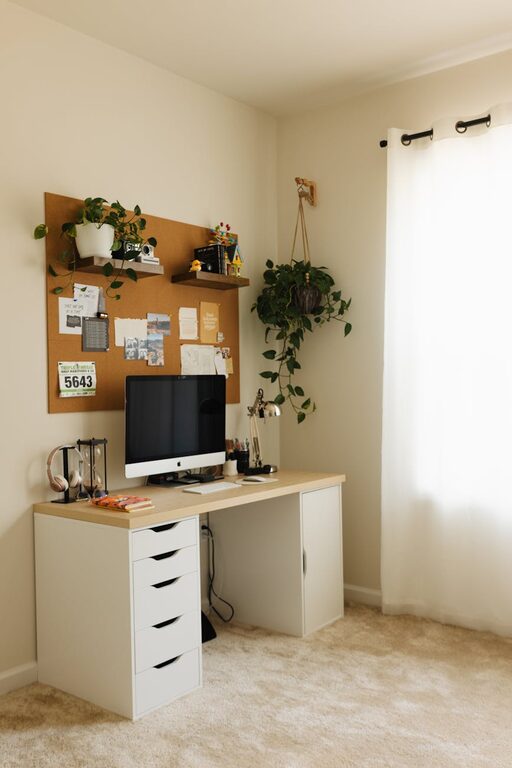
– Use storage solutions: Drawers, shelves, and desk organizers can keep supplies neatly arranged.
– Cable management: Use clips or ties to keep cords from tangling and cluttering your workspace.
A clean and ordered environment helps reduce distractions and saves time searching for important items.
4. Pay Attention to Lighting
Good lighting is essential for reducing eye strain and maintaining focus.
– Natural light is best: When possible, set up near a window, but avoid glare on your screen.
– Task lighting: Use an adjustable desk lamp for focused work during darker hours.
– Avoid harsh overhead lights: Soft, diffused lighting is easier on the eyes.
Balancing natural and artificial light can create a comfortable atmosphere for work.
5. Minimize Digital Distractions
Technology is a helpful tool, but it can also be a source of distraction.
– Turn off non-essential notifications: Silence social media and app alerts during work hours.
– Use website blockers: Apps like Freedom or StayFocusd can help limit time on distracting sites.
– Have separate devices: If possible, keep personal activities on a different device than your work computer.
Setting digital boundaries helps maintain concentration and keeps your workflow smooth.
6. Personalize Your Space
Adding personal touches can make your home office more inviting and motivating.
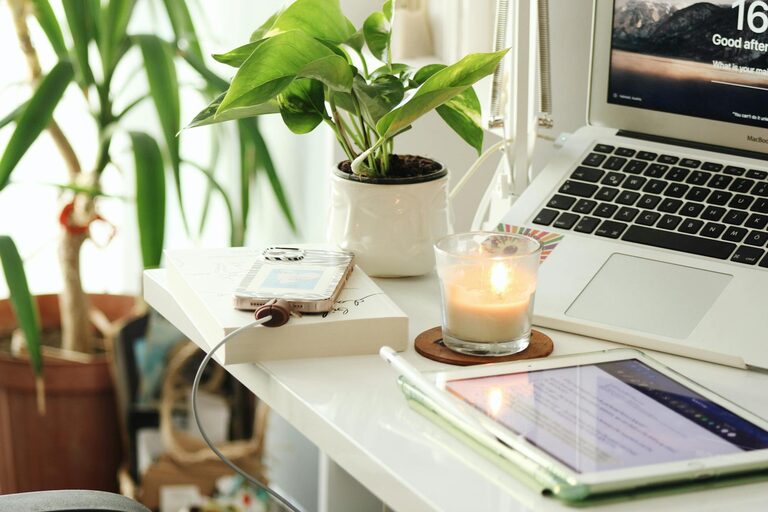
– Add plants: Indoor greenery improves air quality and brings a sense of calm.
– Display inspirational items: Photos, quotes, or artwork that you love can boost your mood.
– Choose calming colors: Soft, neutral tones or your favorite colors can create a pleasant environment.
A workspace that feels uniquely yours encourages you to spend time there and stay productive.
7. Establish a Routine and Boundaries
Creating structure in your workday is crucial when working from home.
– Set working hours: Decide when to start and finish work to maintain work-life balance.
– Take breaks: Regular short breaks help reduce fatigue and keep you refreshed.
– Communicate boundaries: Let family members know your schedule and ask for quiet during those times.
Clear routines and boundaries help your brain switch between “work mode” and “relax mode.”
8. Keep Essentials Within Reach
Make sure frequently used tools and supplies are easily accessible to avoid wasting time.
– Stationery: Pens, notebooks, and other basics should be close by.
– Water and snacks: Staying hydrated and energized supports focus.
– Technology accessories: Chargers, external drives, or headphones should be organized for quick access.
Having everything at hand helps you maintain momentum throughout the day.
Conclusion
Creating a productive home office environment involves more than just having a desk and a computer. It’s about selecting the right location, investing in ergonomic furniture, keeping the space organized, controlling lighting and distractions, and making it a place where you enjoy spending time. By implementing these tips, you can build a workspace that supports your goals and helps you work effectively from home. Take time to tailor your setup to your needs, and you’ll likely find your productivity and satisfaction increasing.