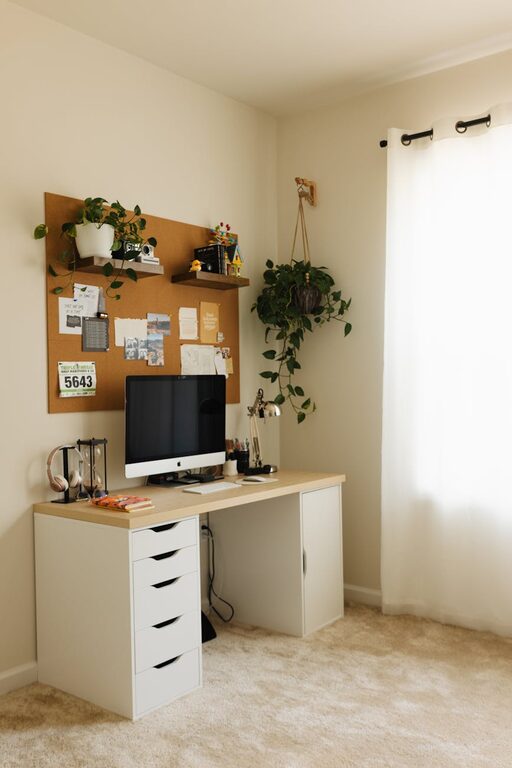
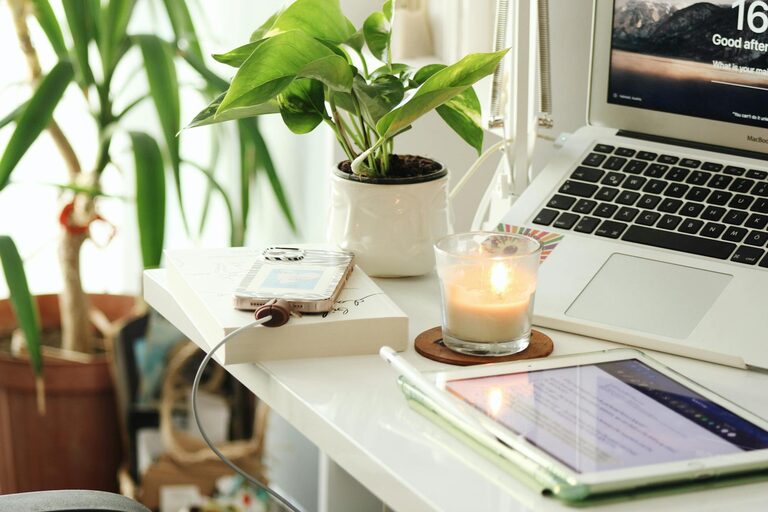
Creating a cozy and productive home workspace is essential for anyone working remotely or managing tasks from home. When your workspace balances comfort and function, it can significantly improve your focus, reduce stress, and boost your overall productivity. In this post, we’ll share practical tips to help you design a home office that feels inviting without sacrificing efficiency.
Choose the Right Location
Find a Quiet Spot
Select an area in your home where you can minimize distractions. A quiet corner, spare room, or even a section of your living room can work as long as it’s away from noise and interruptions.
Ensure Natural Light
If possible, pick a location near a window. Natural light has mood-boosting effects and helps reduce eye strain. If natural light is limited, invest in quality lighting that mimics daylight.
Invest in Comfortable and Functional Furniture
Ergonomic Chair
Comfort is key. An ergonomic chair supports your posture and helps prevent back pain during long working hours. Look for adjustable heights and lumbar support.
Sturdy Desk
Choose a desk that suits your needs — enough surface area for your computer, notepads, and other tools. Adjustable desks that allow for sitting or standing can add flexibility and health benefits.
Organize Your Workspace Efficiently
Declutter Regularly
A clean desk helps clear your mind. Keep only essentials on your desk and store other items in drawers or organizers.
Use Storage Solutions
Shelving units, drawer organizers, and filing cabinets keep papers and supplies organized, making it easy to find what you need and maintain a tidy environment.
Manage Cables
Tidy cables prevent distractions and create a cleaner look. Use cable clips, sleeves, or under-desk trays to keep cords out of sight.
Personalize Your Space
Add Plants
Houseplants not only brighten your workspace but also improve air quality and reduce stress. Low-maintenance plants like succulents or snake plants are ideal.
Decorate Mindfully
Choose a few decorative items that inspire you, such as artwork, photos, or motivational quotes. Avoid overcrowding your space to maintain focus.
Optimize Lighting
Layered Lighting
Combine ambient lighting with task lighting. A desk lamp with adjustable brightness can reduce eye strain during late work sessions.
Avoid Glare
Position your screen to reduce glare from windows or lights, which can cause discomfort and headaches.
Establish a Routine and Boundaries
Set Work Hours
Define your working hours to maintain a healthy work-life balance. Inform family members or housemates of your schedule to minimize interruptions.
Take Breaks
Incorporate short breaks to stretch, hydrate, and rest your eyes. A cozy workspace encourages you to spend time there but don’t forget to step away now and then.
Use Technology Wisely
Invest in Quality Equipment
Reliable internet, a good microphone, webcam, and comfortable keyboard and mouse can make remote work easier and more efficient.
Utilize Productivity Tools
Apps for task management, reminders, or time tracking can help keep you organized and focused.
Maintain Air Quality and Comfort
Ventilation
Ensure your workspace has good airflow. Opening windows occasionally or using a fan can keep the space fresh.
Temperature Control
Keep your workspace at a comfortable temperature. Use a small heater or fan if needed to create an environment where you can focus without discomfort.
Final Thoughts
Creating a cozy and productive home workspace is about balancing comfort with organization and function. By choosing the right location, investing in ergonomic furniture, keeping your space organized, and personalizing thoughtfully, you can build an environment that supports your work and wellbeing. Remember that small changes can make a big difference—start with one or two tips and adjust your space as needed to find what works best for you.